
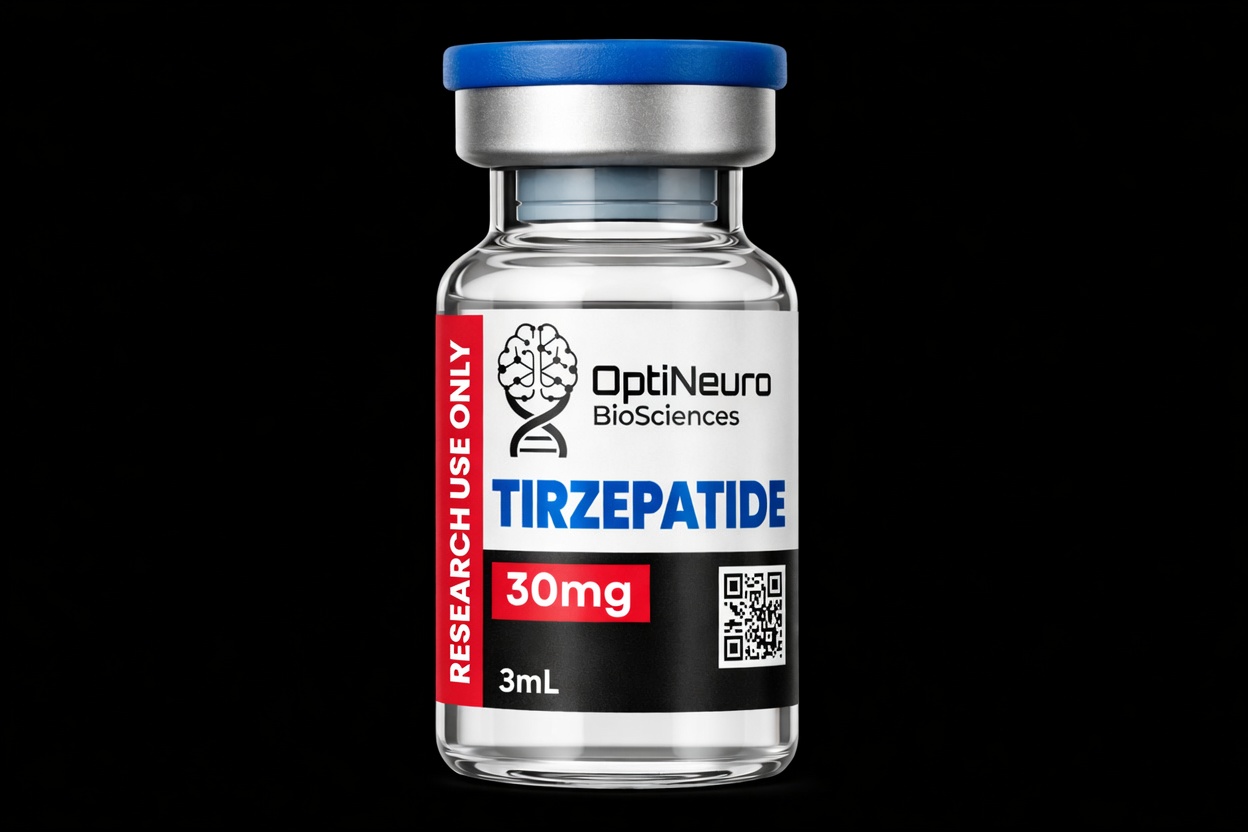
Tirzepatide
LY3298176 • Dual GLP-1/GIP Receptor Agonist Peptide for Metabolic & Weight Management Research
Tirzepatide is a synthetic 39-amino acid linear peptide that acts as a dual agonist of the glucose-dependent insulinotropic polypeptide (GIP) and glucagon-like peptide-1 (GLP-1) receptors. It was designed to leverage the synergistic effects of both incretin pathways, resulting in superior glycemic control and substantial weight loss compared to selective GLP-1 agonists in clinical research.
Chemical and Structural Properties
Molecular Formula: C₂₂₅H₃₄₈N₄₈O₆₈
Molecular Weight: ~4813 Da
Classification: Acylated dual incretin receptor agonist peptide
Tirzepatide features a C20 fatty diacid side chain attached via a γ-glutamic acid spacer, which promotes albumin binding and extends its half-life to approximately 5 days, supporting once-weekly dosing in research protocols.
Mechanism of Action
Tirzepatide simultaneously activates GIP and GLP-1 receptors for complementary metabolic effects:
- GLP-1 Receptor Agonism: Enhances glucose-dependent insulin secretion, suppresses glucagon, slows gastric emptying, and promotes satiety via central pathways.
- GIP Receptor Agonism: Improves insulin sensitivity, enhances β-cell function, and may counteract some GLP-1-related gastrointestinal side effects.
- Appetite & Energy Balance: Strong central suppression of appetite and food intake.
- Overall Synergy: Leads to greater reductions in body weight, HbA1c, and visceral fat compared to single-pathway agonists.
Potential Research Findings & Benefits (Preclinical/Clinical)
| Area | Observed Effects in Models |
|---|---|
| Weight Loss | Dose-dependent reductions of 15–22%+ body weight over 72 weeks in obesity studies. |
| Glycemic Control | Significant HbA1c reductions (up to 2.5%+) and improved insulin sensitivity. |
| Cardiometabolic Health | Improvements in blood pressure, lipid profiles, and liver fat content. |
| Body Composition | Preferential reduction of fat mass with relative preservation of lean mass. |
| Appetite Regulation | Robust suppression of hunger and increased satiety. |
Dosage & Administration (Research Contexts Only)
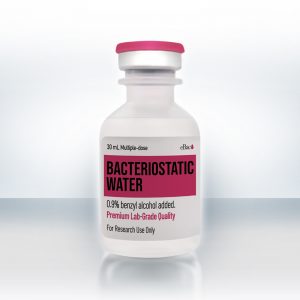
Research protocols typically involve subcutaneous injection with gradual dose escalation to improve tolerability. Tirzepatide is reconstituted with bacteriostatic water and studied in once-weekly regimens starting from low doses (e.g., 2.5 mg) and titrating upward.
Safety Profile & Limitations
Important: Clinical data indicate a safety profile consistent with the GLP-1 class, with primarily gastrointestinal side effects (nausea, diarrhea, vomiting) that are dose-dependent and often transient. For laboratory/research use only.
Key Research Gaps
- Long-term cardiovascular outcomes and safety data beyond current trials are ongoing.
- Optimal combinations with other agents and effects in diverse populations require further study.
- Mechanisms underlying superior efficacy over single agonists continue to be elucidated.
Reviews
There are no reviews yet.